

Choosing Cosmetic Packaging: 5 Costly Mistakes Beauty Startups Can Avoid
November 11, 2026 | By Cystal

Launching a beauty brand involves countless decisions, and packaging is one of the most visible. The right bottle, jar, or tube helps communicate your brand identity and shapes how customers experience your product.
But appearance is only part of the decision. Packaging also needs to suit your formula, work within your budget, and arrive in time for your launch.
Before placing your first packaging order, here are five common mistakes to avoid—and practical ways to make a more confident choice.
1. Choosing Appearance Before Formula Compatibility
A beautiful container may look perfect in product photos, but that does not mean it is suitable for your formula.
Packaging selection should consider both the materials that contact the product and the way the formula dispenses. A pump that works well with a lightweight lotion may not perform as expected with a thicker cream. Compatibility testing is recommended before committing to a packaging solution.
How to avoid it:
Share your formula type, texture, intended fill volume, and dispensing requirements with your packaging supplier early. Ask your formulation or filling partner to assess samples using the actual product.
Evaluate the complete pack—including the bottle, pump, closure, and seals—before approving bulk production. An attractive sample is a starting point, not a substitute for testing.
2. Comparing Unit Prices Without Checking the Full Cost
A low price per bottle can be appealing, especially when you are managing a startup budget. However, the bottle price alone does not tell you what the finished packaging will cost.
Depending on the quotation, pumps, caps, printing, custom colors, sample development, protective packing, and freight may be charged separately.
How to avoid it:
Ask suppliers to quote against the same specification and clearly identify what is included.
Your comparison should cover:
- The complete container and closure.
- Decoration, printing, and color requirements.
- Any tooling or development charges.
- Protective packing and shipping arrangements.
- Order quantities and delivery terms.
Compare the total cost of getting usable packaging to your filling location. This gives you a clearer basis for choosing between suppliers and helps prevent unexpected expenses later.

3. Ordering More Customization Than Your Launch Needs
Custom shapes, several colorways, and elaborate finishes can help create a distinctive brand. They also introduce more decisions, approvals, and inventory commitments.
For a first launch, ordering large quantities across too many packaging variations can tie up money before you know which products will sell best.
How to avoid it:
Ask whether minimum order quantities apply to each model, size, color, or decoration design. A quoted MOQ may not allow you to split the order across your entire collection.
Consider an existing packaging shape with carefully chosen colors and printing for your initial range. You can still create a recognizable brand identity while keeping the project manageable.
Choose an order quantity based on a realistic sales forecast, and discuss repeat-order requirements before approving the first purchase.
4. Approving Samples Without Testing Everyday Use
Packaging should be evaluated as something customers will handle repeatedly.
Can the cap be opened comfortably? Does the pump deliver a useful amount? Is the label readable? Does the decorated surface hold up during normal handling?
Shipping also deserves attention. Packaging performance can vary with the container shape, size, and formula, so a supplier’s test result should be checked for relevance to your specific pack.
How to avoid it:
Review filled, assembled samples whenever possible. Check dispensing, closure operation, leakage, and the appearance of the decoration after handling.
Discuss transport testing with your supplier or testing partner using the intended shipping configuration, including cartons and protective inserts.
Keep an approved reference sample and record the agreed specifications so production inspections have a clear point of comparison.
5. Leaving Packaging Decisions Too Close to Launch
Packaging involves more than manufacturing time. Sample review, artwork approval, formula testing, decoration, transport, and filling all need space in the schedule.
When packaging is selected too late, a small revision can put the entire launch under pressure.
How to avoid it:
Build your schedule backward from the date finished products need to be ready.
Confirm the milestones for sample approval, artwork sign-off, production, inspection, shipment, and delivery to your filling partner. Ask exactly when the quoted production lead time begins.
Allow time for revisions and clarify who approves each stage. It is also useful to discuss component availability and repeat-order lead times so your packaging can support the next production run.
Start with a Clear Packaging Brief
A clear brief makes supplier discussions more productive. Before requesting a quotation, prepare your product type, target capacity, estimated quantity, preferred packaging format, decoration ideas, and required delivery date.
Include details about how the product will be filled, sold, and used. The more clearly you define the project, the easier it becomes to compare suitable options.
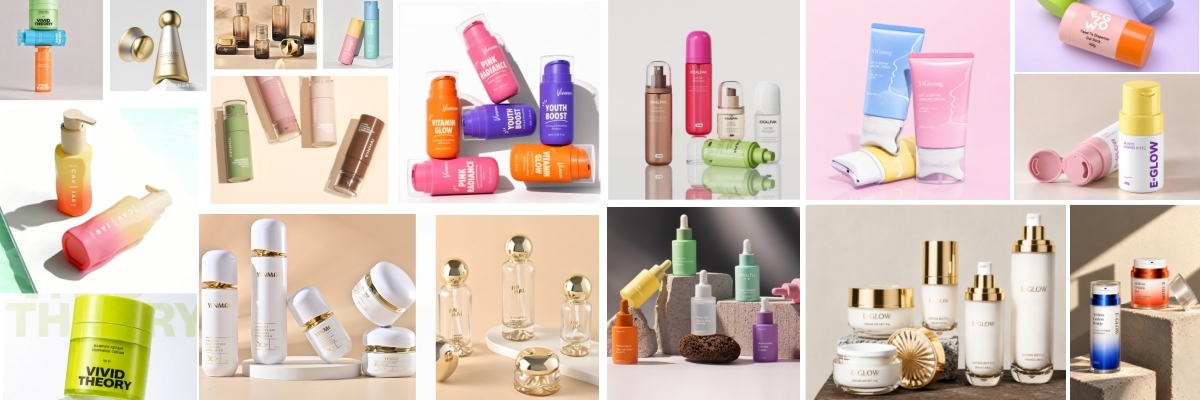
At EGLOWPACK, we help beauty brands explore cosmetic packaging options, including tubes, glass bottles, jars, airless packaging, pumps, and closures.
Planning your next beauty launch? Contact EGLOWPACK with your product requirements to discuss packaging options, samples, and a tailored quotation.


